Protect yourself from scam SMS and phone fraud
Translated automatically.
Scammers are getting smarter and smarter, trying to trick you through phone calls and SMS. Learn to recognize the most common scams and how to protect yourself and your money.
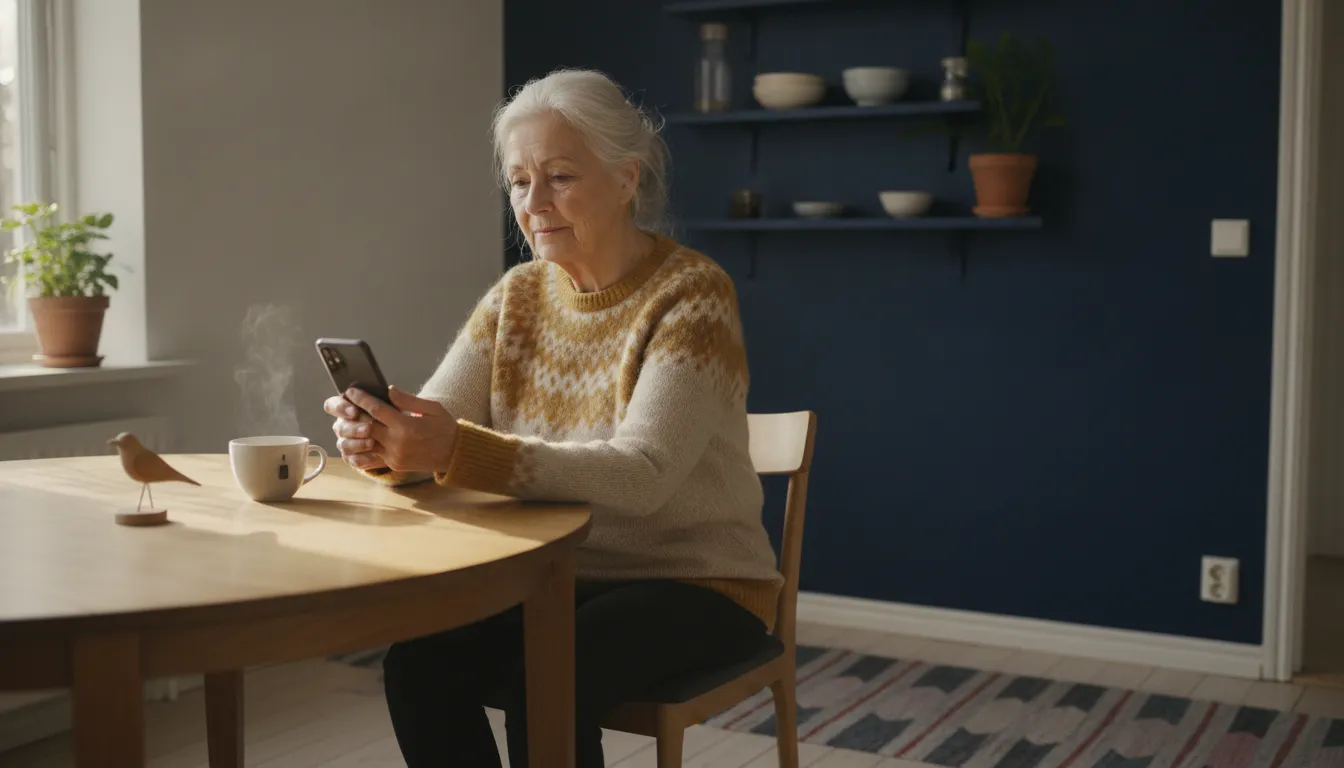
Unfortunately, fraud is one of Sweden's most common crimes, and the number of reported cases continues to rise. Many seniors are particularly vulnerable, as scammers often target people over 75 years old. They use increasingly sophisticated methods to trick you, for example, by cloning voices with the help of artificial intelligence (AI) to sound like a relative. But there are simple ways to protect yourself, and the most important thing is to be aware and cautious.
How scammers operate
Scammers use various tricks to try and get hold of your money or personal information. Here are the most common methods:
-
Fake phone calls (Vishing): The scammer calls you, pretending to be from your bank, the police, 1177 Vårdguiden, or another authority. They might claim that your account has been hacked, that a strange transaction has occurred, or that you need to identify yourself. They can even make the phone number appear as if it's coming from the real organization. Their goal is to get you to log in with BankID or your bankdosa (bank security token), or to give them codes and card details. If you do that, the scammer gains access to your money or can activate a new BankID in your name.
-
Scam SMS (Smishing): You receive an SMS that appears to come from well-known companies like Postnord, BankID, Tele2, 1177, or Pensionsmyndigheten. The message might be about a package you need to pick up, that your login needs to be renewed, or that you've been granted a fake loan. Often, the SMS contains a link that leads to a fake website. There, the scammer tries to get you to fill in your card details or log in with BankID. This is called phishing (when someone tricks you into giving out information).
-
Fake emails (Phishing): The same principle as with scam SMS, but via email. You receive an email that appears to come from a company or an authority, stating that your account is blocked or that you have a virus. You are asked to identify yourself with BankID or to give out codes and user details.
-
Home scams: Sometimes scammers come to your home, pretending to want to sell something or offer a service. They might also claim that your jewelry or valuables need to be protected and instruct you to place them outside the door or hand them over directly. Always be careful about who you let into your home.
Remember: Authorities and banks will NEVER ask for your codes
It's important to remember that your bank, BankID, and authorities like Polisen (the police), 1177, or Pensionsmyndigheten will never ask you to log in with BankID or give out codes and passwords via phone, SMS, or email. If someone asks you for this, it's an attempted scam.
How to protect yourself – simple advice
Here are some practical tips on how you can protect yourself from scammers:
-
End the call immediately: If someone calls and asks you to log in with BankID, give out personal information, card details, or codes, hang up the phone right away. It's never rude to hang up in such a situation. If you want to learn more, read our guide on how to protect yourself from scammers who call.
-
Contact the bank through official channels: If you become unsure, call your bank using their official phone number. Find the number yourself, for example, from the bank's website, and don't trust a number that the scammer gives you.
-
Log in on your own initiative: Always use BankID on your own initiative when you have started a service or login yourself. Never log in at someone else's request. Read more about how to use BankID safely.
-
Don't click on unknown links: Never click on links in SMS or email if you are not completely sure of the sender. Remember that SMS from 1177.se never contain links. Learn more in our guide on how to recognize a scam SMS.
-
Never give out sensitive information: Never give out card details, codes, passwords, or other personal information to anyone who contacts you via phone, SMS, or email.
-
Don't let strangers into your home: Don't let unknown people into your home without checking their identity. Always ask for identification.
-
Forward scam SMS: Send suspicious scam SMS to number 7726. This helps telecom operators identify and block scammers' numbers.
-
Talk to your loved ones: Inform your relatives and friends about scams to raise awareness and protect each other.
If you suspect you have been subjected to a scam, contact your bank immediately to block your accounts and cards. Always file a police report too, even if you haven't lost money. Call 114 14 or visit a police station. If the crime is happening right now, call 112.